The Homemade Charm of Authentic Jamaican Food
@holdenzhum159
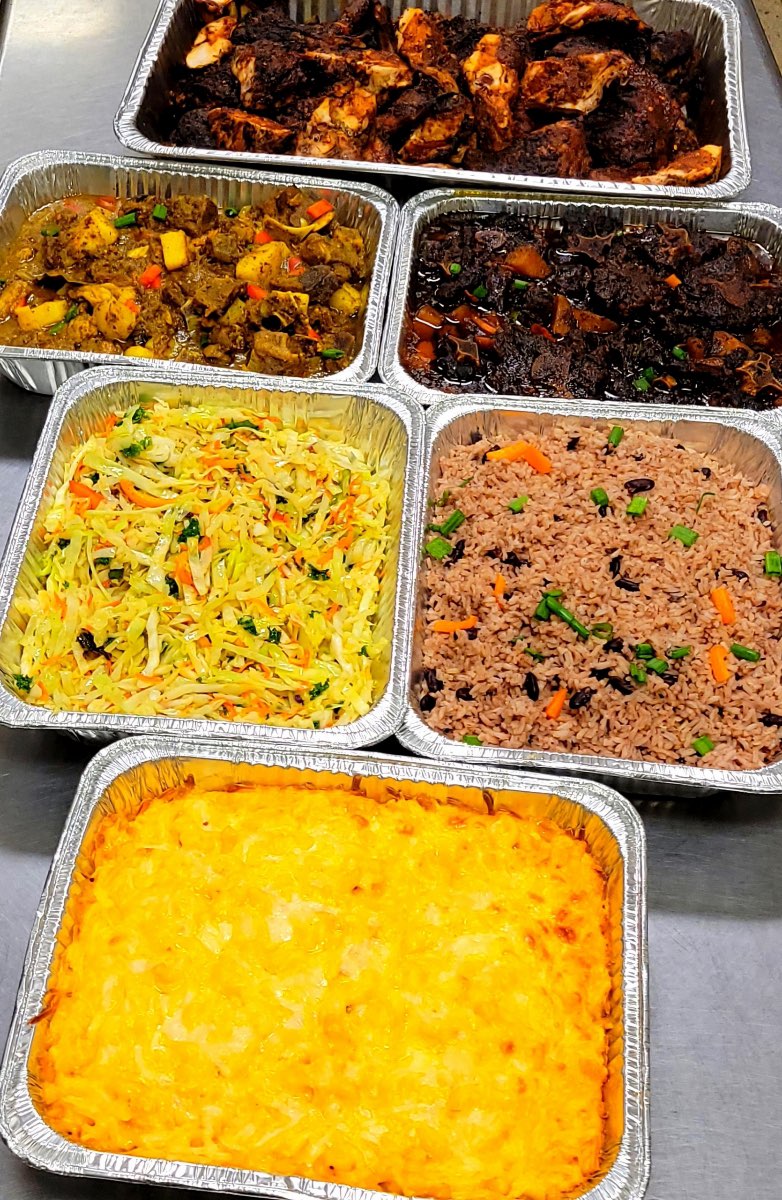
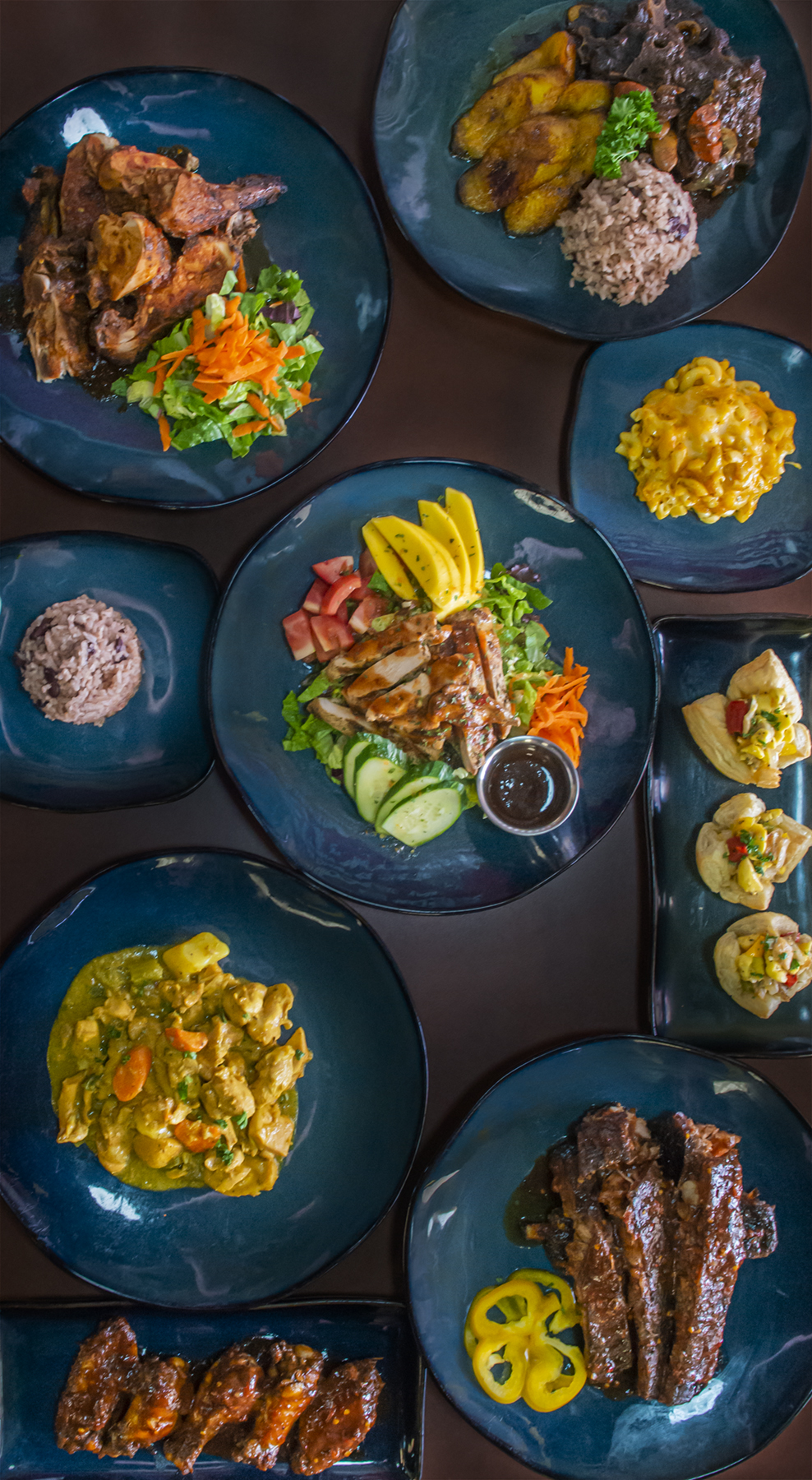
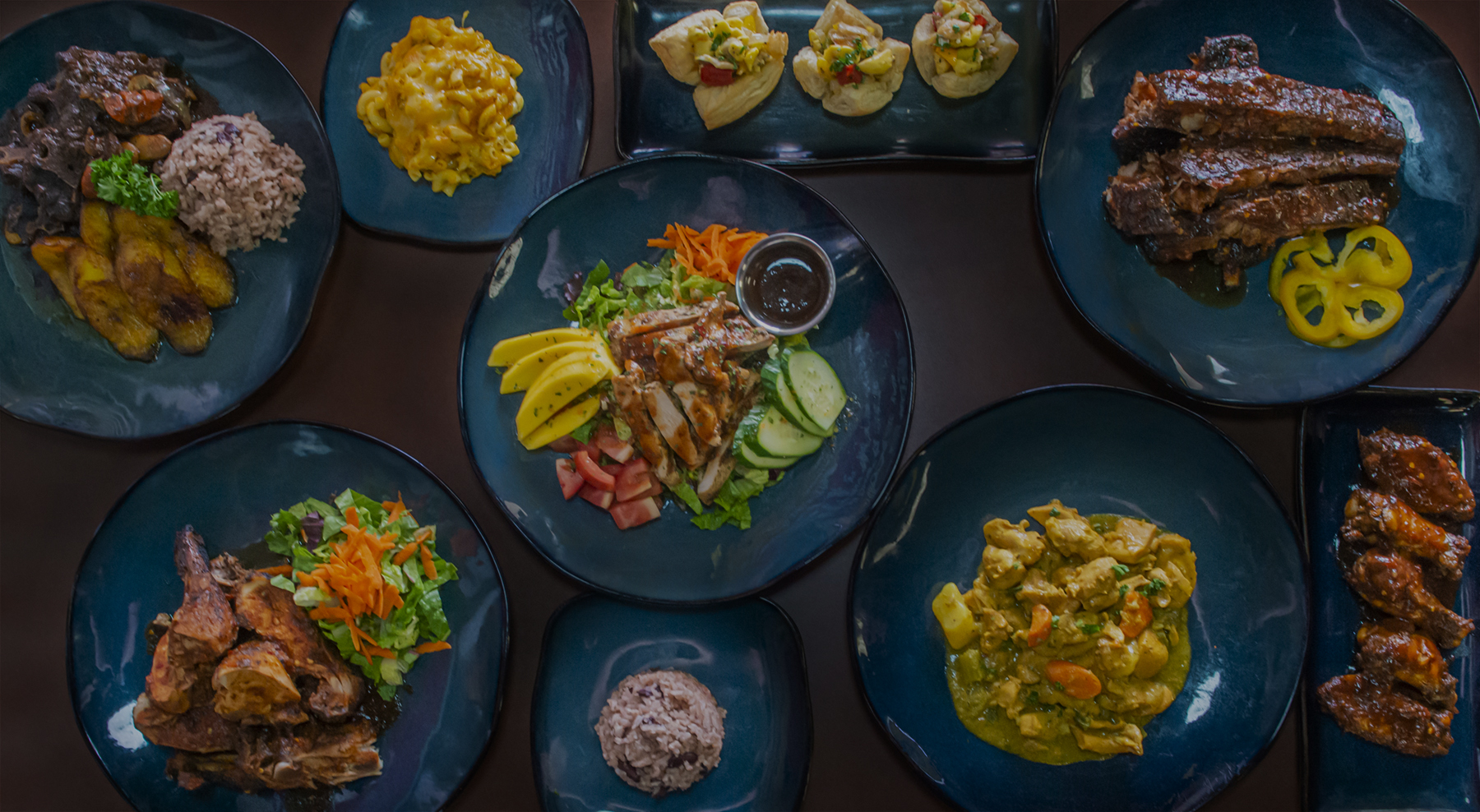
There is a particular kind of warmth that comes from authentic jamaican food, and it has very little to do with heat alone. Yes, there is Scotch bonnet, pimento, allspice, ginger, black pepper, and the deep smoky edge of jerk. But the real warmth sits elsewhere. It lives in the way a pot is watched, stirred, tasted, and adjusted by instinct. It sits in kitchens where recipes are remembered in handfuls and pinches rather than written in exact grams. It shows up in meals that feel generous even when the ingredients are modest.
That homemade quality is what makes Jamaican cooking so memorable. Not every dish is elaborate. Not every plate is fiery. What ties the cuisine together is a sense of care, thrift, and confidence. A seasoned cook knows how to turn saltfish, green banana, callaloo, yam, flour, coconut milk, or a few cuts of chicken into something deeply satisfying. It is food shaped by history, migration, hardship, celebration, and ingenuity, and https://penzu.com/p/ead160ced6d24a84 that is exactly why it tastes as layered as it does.
People often meet Jamaican cuisine first through restaurant favorites like jerk chicken or patties. Those dishes deserve their fame, but home cooking gives a fuller picture. Home is where the pepper pot is not rushed. Home is where rice and peas are made with patience, not shortcuts. Home is where oxtail is left to soften until the meat gives way with hardly any pressure from a fork. Once you understand that, Jamaican food stops being a collection of famous dishes and starts to feel like a way of feeding people properly.
More than spice, more than sunshine
One of the most persistent misunderstandings about Jamaican cooking is that it can be reduced to bold spice and tropical ingredients. Both are part of the story, but they are not the whole story. Good Jamaican food is built on balance. It often combines heat with sweetness, smoke with freshness, richness with acidity. A bowl of escovitch fish is not only about the fried snapper. It is also about the sharp lift of vinegar, the crunch of onions and peppers, and the way the pickled vegetables cut through the richness.
The same balance appears in humble dishes that rarely get glamorous treatment. Boiled dumplings, for example, are simple by design. They are there to steady the plate, to give body to breakfast or to sit alongside saltfish and ackee. Fried plantain brings sweetness and softness to meals that contain heavily seasoned meats. Festival, with its lightly sweet interior and crisp outside, makes perfect sense next to spicy jerk because it softens the edges without dulling the flavor.
This is one reason homemade Jamaican cooking has such staying power. It does not aim for shock value. It aims for completeness. The cook is not trying to prove a point with heat or excess. The cook is trying to make sure every component earns its place.
The kitchen logic behind the flavor
Spend enough time around experienced Jamaican cooks and a pattern emerges. Technique matters as much as seasoning. Browning is important. Resting is important. Soaking and washing certain ingredients are important. Layering flavors from the start of cooking is important. These are not dramatic flourishes. They are habits formed over years.
Take brown stew chicken. On paper, it sounds straightforward. Chicken is seasoned, often allowed to sit for a while, then browned before being simmered with onions, peppers, garlic, thyme, tomatoes, and gravy. Yet the difference between a flat version and a memorable one often comes down to judgment. Was the chicken properly marinated so the seasoning penetrated beyond the surface? Did the browning stage develop real color without tipping into bitterness? Was enough liquid added to create sauce without washing out the concentrated flavors left in the pot? These are the kinds of decisions home cooks make almost unconsciously.
The same applies to rice and peas, one of the most misunderstood dishes in Jamaican food. First, in Jamaica, “peas” often means beans, commonly kidney beans or gungo peas depending on the occasion and region. Second, it is not simply rice boiled beside beans. The dish gains its character from coconut milk, thyme, scallion, Scotch bonnet, and the slow transfer of flavor as everything cooks together. The rice should be separate, not mushy. The coconut should be present, but not cloying. The pepper may perfume the pot without necessarily bursting and flooding the dish with heat. That kind of restraint is a hallmark of skilled home cooking.
The pantry tells the real story
If you want to understand the homemade charm of Jamaican cooking, look at the pantry before the finished plate. Staple ingredients reveal a cuisine built by adaptation and resourcefulness. Saltfish, dried spices, flour, rice, beans, root vegetables, plantains, and preserved seasonings all tell a practical story. Fresh herbs and peppers bring brightness, but durable ingredients provide the backbone.
This is part of what makes Jamaican food feel so grounded. The cuisine knows how to stretch. It knows how to nourish a large family, how to feed unexpected guests, how to turn leftovers into another meal worth sitting down for. A pot of stew can improve by the next day. Curry goat often tastes deeper after resting overnight. Soup can begin with bones and end with something substantial enough to count as the entire meal.
There is elegance in that economy. Not austerity, not deprivation, but a deep refusal to waste flavor. Bones, trimmings, peels, and pantry staples are not afterthoughts in a good kitchen. They are part of the plan.
Why breakfast may be the best place to start
People new to Jamaican cuisine often jump straight to dinner dishes, but breakfast tells you just as much about the culture of the food. Ackee and saltfish, the national dish of Jamaica, is a perfect example. Properly prepared ackee has a delicate, buttery texture that surprises people expecting something stronger. Saltfish brings salinity and chew, while onion, tomato, thyme, and pepper provide contrast. Eaten with fried dumplings, roasted breadfruit, boiled green banana, or yam, it becomes a meal with rhythm and variety rather than a single dominant note.
The best versions do not taste crowded. That is where many outside attempts go wrong. They overwork the ackee, turning it into mash, or oversalt the fish, or load in too many vegetables until the dish loses its quiet richness. Homemade versions tend to be more measured. The cook knows the ackee must be handled gently. The fish needs to be soaked and prepared carefully. The balance of color, salt, softness, and fragrance matters.
Even a simpler Jamaican breakfast can be revealing. Porridges made from cornmeal, peanut, or plantain carry generations of practical cooking in them. They are filling, comforting, and surprisingly nuanced when made well, scented with cinnamon, nutmeg, vanilla, and sometimes coconut. These are not flashy dishes, but they say a great deal about how Jamaican food values nourishment without sacrificing pleasure.
Jerk is famous for a reason, but home cooks understand its limits
No discussion of jamaican food can ignore jerk. It is one of the great flavor traditions of the Caribbean, built around pimento, Scotch bonnet, thyme, scallion, and smoke. At its best, jerk is not merely spicy. It is aromatic, savory, slightly sweet, and deeply complex. The smoke is part of the seasoning, not a separate effect added later.
Still, jerk can distort the broader picture when it becomes the only reference point. Restaurant and street versions often emphasize intensity because that is what customers remember. At home, cooks may choose a gentler hand depending on who is eating. Children, older relatives, and guests with different tolerances all affect how a marinade is mixed and how much pepper finds its way onto the meat. Homemade food allows for that elasticity. It respects tradition while recognizing that cooking is always relational.
There is also the matter of equipment. True jerk cooked over pimento wood has a distinct character that is hard to replicate indoors. Home cooks compensate in practical ways, using grills, ovens, or charcoal setups and adjusting expectations accordingly. A thoughtful cook knows what can be recreated and what cannot. This is not compromise in a defeatist sense. It is part of the craft. Authenticity is not always about perfect duplication. Sometimes it is about preserving the right logic of flavor even when conditions change.
The slow dishes are where devotion shows
Some cuisines advertise effort through complexity. Jamaican cooking often expresses effort through time. The longest-cooked dishes reveal the most about patience, sequencing, and confidence. Oxtail is a clear example. A good pot should not be greasy or one-note. The sauce needs body, but it also needs clarity. Butter beans often join late enough to hold together. The meat should be tender without collapsing into stringy mush. Getting all of that right requires attention.
Curry goat asks for similar discipline. Goat can be intensely flavorful, but it can also turn tough or muddy if handled poorly. The curry powder has to bloom properly. The seasoning has to penetrate. The braising liquid should enrich rather than drown. When everything lands, the result is one of the most compelling dishes in Jamaican food, earthy, fragrant, and full-bodied, with the kind of depth that keeps building as you eat.
Soup belongs in this conversation too. Jamaican soups are not side dishes in the thin, apologetic sense. Saturday soup, whether built around red peas, chicken, beef, pumpkin, or fish, is often a proper event. Dumplings, yam, cho cho, carrots, potatoes, and other provisions turn it into a full meal. The texture matters. So does the timing. Add ingredients too early and they disappear. Add them too late and the broth never absorbs their character. Good soup takes planning, and a practiced cook can feel the moment each ingredient should enter the pot.
Street food may get the headlines, but home food earns loyalty
Patties, roast corn, jerk pans, and roadside soups have every right to be celebrated. They are vivid and accessible and often excellent. But home-cooked Jamaican meals create a different kind of attachment. They are repetitive in the best sense. You eat them over years. You miss them when you move away. You compare every restaurant version against the memory of somebody’s mother, grandmother, father, aunt, or neighbor who “made it better.”
That is the real measure of homemade charm. It is not only about quality. It is about memory calibrated through repetition. A restaurant can impress you once. A household standard shapes your idea of what the dish should be.
This is especially true with side dishes and accompaniments, which are often where the personality of a cook shows most clearly. One person’s fried dumpling is dense and sturdy, made for soaking up sauce. Another’s is lighter with more puff and crispness. One cook’s callaloo is silky and restrained, another’s is packed with onion, tomato, and enough Scotch bonnet to wake up the whole plate. None of this is accidental. These are signatures.
The role of seasonings, and why bottled shortcuts rarely satisfy
Jamaican seasoning has become widely commercialized, which is understandable given the popularity of the cuisine. Walk into a supermarket with a Caribbean section and you will find jerk pastes, curry blends, all-purpose seasonings, browning sauces, and bottled marinades. Some are useful. A few are very good. But none can fully replace the freshness and calibration of a well-made homemade blend.
Green seasoning, for instance, varies from household to household, but it often leans on scallion, thyme, garlic, onion, ginger, and pepper. The ratio matters. So does freshness. A seasoning blended that morning carries a brighter top note than one that has been sitting for too long. Dry spices matter too, especially pimento, black pepper, curry, and nutmeg, but Jamaican food often achieves its character through the dialogue between fresh and dried flavors rather than reliance on one side alone.
There is also a practical reason home seasoning tends to taste better. It is adjusted to the dish. The same person will season fish differently from chicken, and chicken differently from goat or beans. That sounds obvious, yet mass-market products flatten those distinctions. They are built for convenience. Homemade food is built for fit.
A cook with experience usually pays attention to a few core questions before seasoning a pot:
- What does this ingredient already taste like on its own?
- How much cooking time will either mellow or concentrate the spice?
- Does the dish need depth, brightness, heat, or all three?
- What starch or side will carry the main flavor on the plate?
- Will this taste better now, or after it rests for a few hours?
Those are not abstract ideas. They influence every spoonful.
Regional variation and family variation both matter
Any honest discussion of authentic jamaican food should leave room for variation. The island has regional habits, seasonal differences, and strong family traditions. The same dish can shift depending on where it is made, who is making it, and what ingredients are available that week. That flexibility is part of the cuisine’s life.
For people outside Jamaica, authenticity sometimes gets treated too rigidly, as if there were one fixed recipe for every classic. In real kitchens, things are messier and more interesting. One family may sweeten porridge more than another. One cook may prefer a darker browning in stew. Another may insist on a particular type of yam, or on using whole Scotch bonnet in the pot rather than chopped pepper for a gentler infusion. These differences do not weaken the cuisine. They prove it is alive.
Migration adds another layer. Jamaican households abroad often adapt to local markets. A cook in Toronto, London, New York, or South Florida may have excellent access to Caribbean ingredients, but not always the same produce, fish, or cuts of meat found at home. Good cooks adapt without losing the soul of the dish. That adaptability is deeply Jamaican in itself.
What people often get wrong when trying to recreate it
When homemade Jamaican dishes fail, the problem is rarely lack of enthusiasm. It is usually haste or imbalance. Some common mistakes show up again and again. Rice gets overcooked because the pot is treated casually. Jerk turns harsh because the pepper overwhelms everything else. Ackee is broken apart by over-stirring. Curry is made thick and powdery rather than deep and integrated. Oxtail is sweetened too aggressively. Soup ingredients are dumped in all at once.
Another issue is misunderstanding what “authentic” should taste like. Many first attempts are over-seasoned because the cook assumes Jamaican food must announce itself loudly at every moment. In practice, many of the best dishes are controlled. They are fragrant rather than chaotic. Spicy rather than punishing. Rich rather than heavy. Homemade food especially tends to value this kind of proportion because it is meant to be eaten regularly, not merely admired for intensity.
There is also the temptation to modernize too quickly. There is nothing wrong with lighter methods, reduced sodium, or dietary adaptations. Skilled cooks make those changes all the time. The difficulty comes when substitutions ignore structure. Coconut milk reduced too far can leave rice and peas tasting thin. Lean cuts can dry out in recipes designed for collagen and fat. Removing salt without introducing another source of depth leaves food flat. Good adaptation requires understanding what each original ingredient contributed.
Why the homemade version stays with you
The best homemade Jamaican meals have a way of feeling both generous and grounded. They do not depend on luxury ingredients to make an impression. They rely on memory, seasoning, timing, and a cook’s feel for people. That last part matters more than many recipes admit. Jamaican home cooking is social food. It anticipates second helpings. It accounts for the person who likes extra gravy, the child who wants less pepper, the elder who wants more yam, the guest who should leave with a container in hand.
That human adjustment is difficult to industrialize and impossible to fake. It is the reason homemade jamaican food can feel so comforting even when the flavors are bold. The meal is not only built around taste. It is built around care.
Perhaps that is the simplest way to explain the charm. Authentic Jamaican cooking in the home carries evidence of hands, judgment, and repetition. The dumpling was shaped by somebody who has made hundreds. The stew was tasted along the way. The seasoning was not dumped from a packet and forgotten. Every part of the meal reflects a series of small decisions that accumulate into something memorable.
And when it is done well, the effect is lasting. You remember the aroma of thyme and scallion as the lid lifts from the pot. You remember the way coconut and bean mingle in properly cooked rice and peas. You remember the deep spice of curry, the soft pull of braised meat, the sweetness of plantain against salt and heat. Most of all, you remember that the meal felt personal. That is the homemade charm, and it is the heart of Jamaican food.
Reggae Pot Jamaican Grill
7562 S University Blvd C, Centennial, CO 80122
(303) 997-5623
FAQ About jamaican food
What is the best Jamaican food to try in Centennial?
The best choice depends on your preferences. Reggae Pot Jamaican Grill offers jerk chicken, curry goat, oxtail, and escovitch snapper, along with sides such as rice and peas and fried plantains. Ask the restaurant about current availability and spice levels before ordering.
Is Jamaican food very spicy in Centennial?
Heat varies by dish and preparation. Jerk dishes can be hot, while some stews and sides are milder. Tell the restaurant your preferred heat level and ask which options suit you.
What is typically on a Jamaican menu?
Common choices include jerk chicken, curries, oxtail, fish, patties, rice and peas, and plantains. Reggae Pot also lists ackee and saltfish and vegetable dishes. Menus and availability can change, so confirm your choices when ordering.