The Best Side Dishes in Jamaican Food
@holdenzhum159
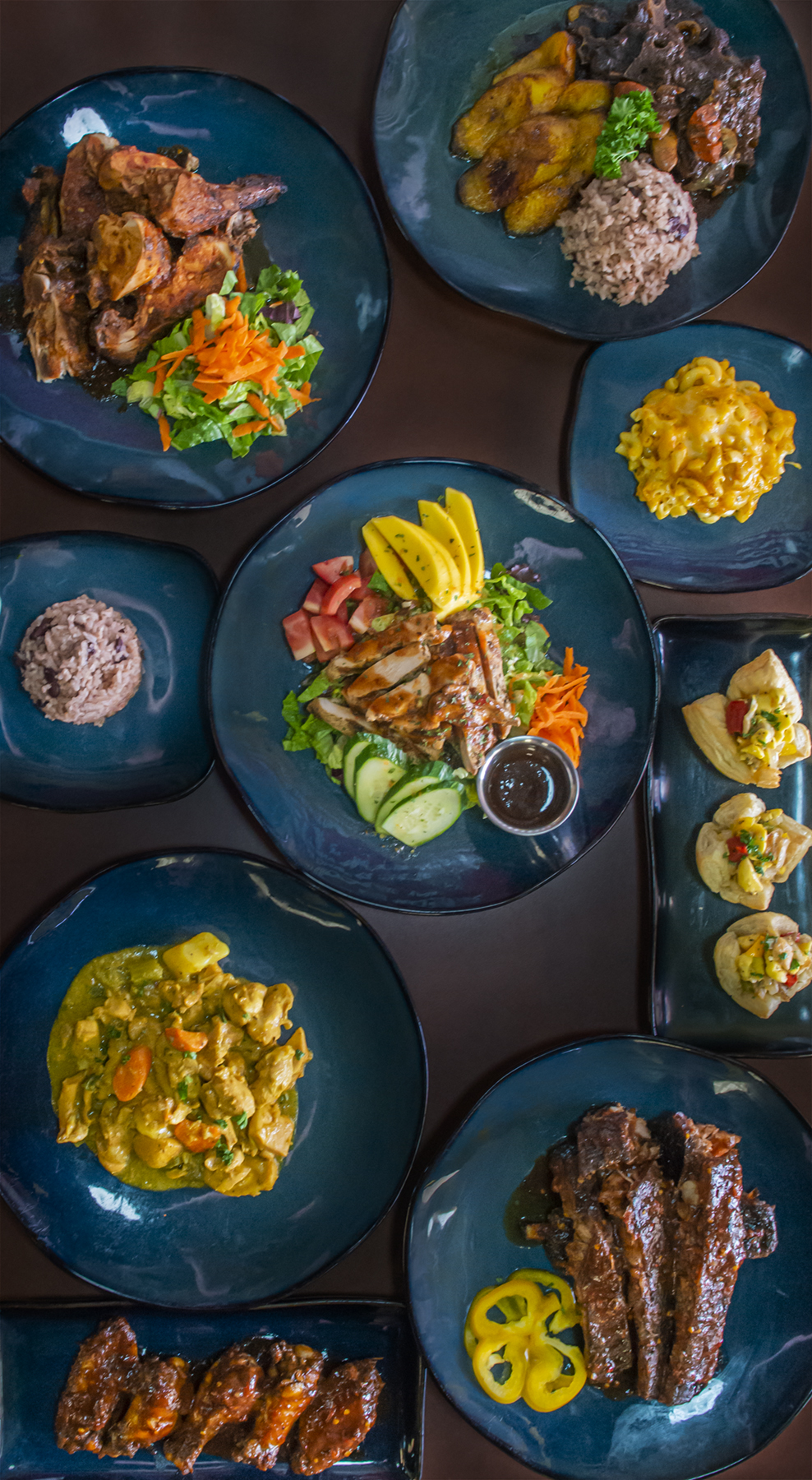

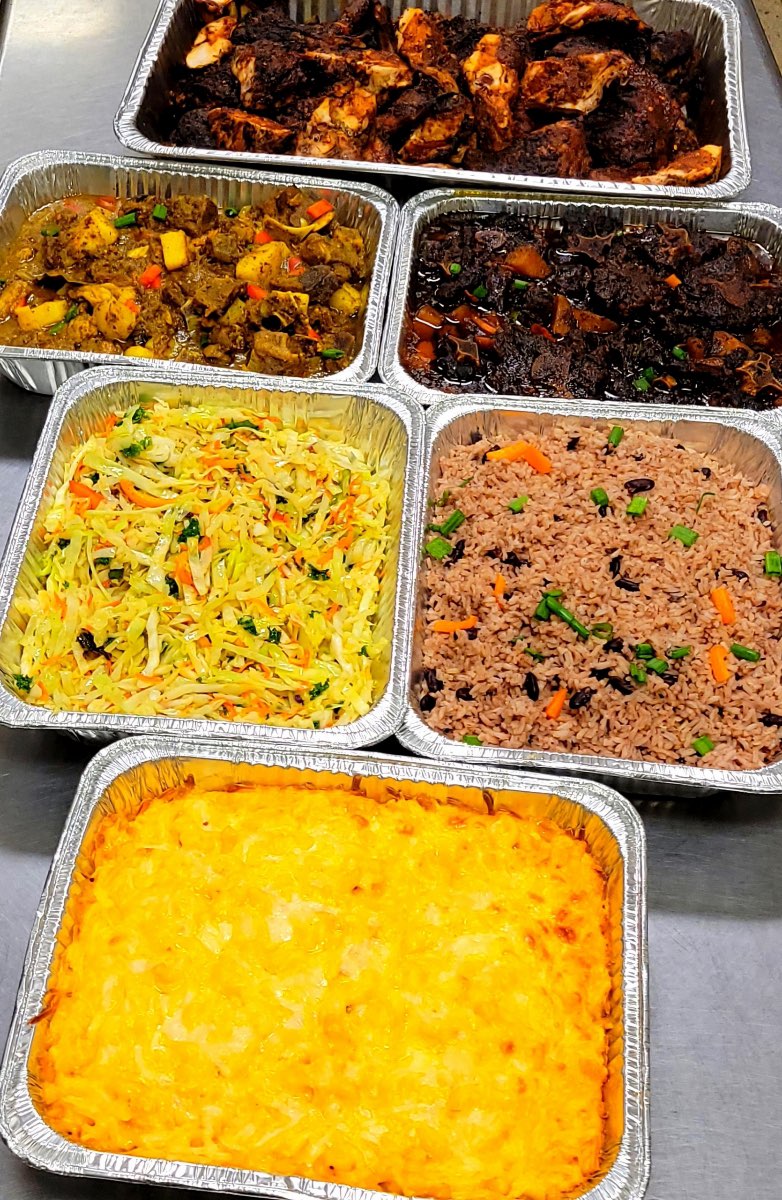
Ask anyone who cooks Jamaican food seriously and they will tell you the same thing: the plate is never only about the main. Jerk chicken may draw the eye, oxtail may carry the deepest flavor, and escovitch fish may arrive with the biggest flourish, but the side dishes determine whether the meal feels balanced, grounded, and complete. They bring starch, heat, sweetness, texture, relief, and contrast. More than that, they tell you how a household cooks, what region or family influence is present, and whether the cook values comfort, celebration, or pure utility.
That matters because Jamaican food, at its best, is built on interplay. Rich gravies need something that can catch and absorb them. Pepper heat needs a cooling note. Salty, smoky meat benefits from starch that is either plain enough to steady the plate or flavorful enough to stand beside it without disappearing. A well-chosen side dish does not sit quietly. It participates.
Some of the best Jamaican sides are famous far beyond the island, while others are still underrated outside Jamaican homes and restaurants. A few are labor-intensive and worth every minute. Others are weeknight staples, the kind of food that appears so often it can be taken for granted, at least until you have a bad version and remember how much the good one matters. What follows is not just a list of familiar names, but a closer look at what makes each one work and why certain combinations have endured.
Rice and peas, the side dish that anchors the table
If one side dish defines Jamaican food in the minds of many diners, it is rice and peas. The name causes some confusion outside the Caribbean because the "peas" are usually kidney beans, or gungo peas when in season, rather than green peas. That misunderstanding is small compared with the larger point, which is that rice and peas is not merely a filler. It is structural.
A proper pot carries more than rice and beans. It should have the rounded perfume of coconut milk, the gentle allium note of scallion, the herbal lift of thyme, and just enough allspice to give the dish a distinctly Jamaican backbone. Scotch bonnet may go into the pot whole, contributing aroma and a mild halo of heat without bursting and overtaking the rice. Texture matters as much as flavor. The grains should be separate and tender, never mushy, and the beans should keep their shape without feeling chalky.
Rice and peas earns its place because it does several jobs at once. With jerk chicken, it softens the edges of smoke and spice. With oxtail, it catches the dark, glossy gravy and turns every spoonful into a complete bite. With curried goat, it tempers the spice while letting the curry remain the lead flavor. It is also practical. For big family meals, rice and peas stretches expensive proteins without making the plate feel skimpy.
The best versions are rarely bland. When people call rice and peas "plain," they usually mean it is the quietest item on a bold plate. Quiet is not the same as dull. In experienced hands, it tastes full and deliberate. I have had restaurant versions that looked fine but felt dead because the coconut was timid and the seasoning too cautious. At home or in a strong cookshop, even a modest scoop announces itself.
Festival, the sweet counterpoint that makes spice sing
Festival is https://beckettivdv456.wpsuo.com/the-signature-taste-of-real-jamaican-food one of the great pleasures of Jamaican food, and it still surprises people who assume every side must be savory. These golden fried dumplings sit somewhere between bread and fritter. Slightly sweet, crisp outside, soft within, they are especially good beside jerk pork or fish, where that hint of sugar rounds out aggressive heat, char, and salt.
A good festival should feel light in the hand and easy to bite through. The exterior needs a little crackle, not a hard shell. Inside, the crumb should be cooked through and tender rather than doughy. The sweetness is important, but it should stop short of dessert. This is where balance matters. Too much sugar and it competes with the meal. Too little and it loses the contrast that gives it purpose.
Festival has a social quality that more austere sides do not always have. It is the thing people reach for first while standing around a grill, waiting for the next batch of jerk to come off the pan. It works in motion, on paper plates, eaten outdoors, often with a little grease and pepper on the fingers. That setting is part of its appeal. Jamaican food has many dishes that reward patience and simmering. Festival brings immediate gratification.
It is also one of the clearest examples of how side dishes can shift the emotional tone of a meal. Pair the same jerk chicken with steamed vegetables and the plate feels balanced and sensible. Pair it with festival and suddenly the meal feels festive in a more literal way, relaxed and generous.
Fried dumpling, humble but indispensable
Fried dumpling does not always get the same attention as festival, perhaps because it lacks the novelty of sweetness and the easy visual identity. That is a mistake. In day-to-day Jamaican eating, fried dumpling is a workhorse. Served at breakfast with ackee and saltfish, salt mackerel, callaloo, or even just cheese, it is satisfying in a way that is direct and deeply practical. It also crosses into lunch and dinner without any strain.
The beauty of fried dumpling lies in its restraint. The dough is simple. The flavor is mild. Yet the frying creates a bronzed crust and a dense, warm center that can soak up sauces or stand in for bread. The contrast between outside and inside is the whole point. When it is done right, the crust offers resistance before giving way to a soft, slightly chewy interior. When it is done poorly, it becomes heavy and oily, with a raw center or an overfried shell.
Because it is so common, fried dumpling is often where you can tell whether a cook respects the fundamentals. People tend to focus on the seasoning of the fish or the richness of the stew, but if the dumpling is greasy, the whole plate loses its poise. A strong one supports the meal without demanding attention. That kind of support is easy to underestimate and hard to replace.
Bammy, a cassava classic with remarkable range
Bammy deserves more appreciation outside Jamaica than it usually gets. Made from cassava, traditionally grated, pressed, and formed into flat rounds, bammy has an older lineage than many of the sides people recognize first. It is subtle, but not dull. Its best quality is how gracefully it carries other flavors.
Fried bammy, especially when soaked lightly before cooking, develops a crisp edge and a center that is tender but structured. Steamed bammy offers a softer, more delicate bite. Either way, it is excellent with fish. Escovitch fish and bammy is one of those pairings that feels completely logical after the first mouthful. The cassava absorbs vinegar, onion, pepper, and fish juices without collapsing, and its mild earthiness steadies the sharper notes on the plate.
This is where bammy shows real sophistication. It does not bully the main dish. Instead, it acts almost like a translator between intense elements. Escovitch can be acidic and fiery. Fried fish can be salty and rich. Bammy draws those flavors together and makes them easier to enjoy over several bites.
It is also a side with texture options, which matters more than people think. Some diners prefer the firmer chew of a minimally soaked bammy, while others want a softer version that almost melts into the fish. Neither is inherently wrong. It depends on what else is on the plate and how the cook wants the meal to feel.
Roast breadfruit, one of the finest companions to fish
There are side dishes that satisfy hunger, and then there are side dishes that create memory. Roast breadfruit belongs in the second category. Done well, it has a smoky outer layer and a fluffy interior that can remind people, loosely, of roasted potato crossed with fresh bread. The comparison is imperfect, but useful for anyone new to it.
Breadfruit has a special affinity for saltfish, mackerel rundown, and roasted or fried fish. Its starch is substantial without being sticky. That gives it presence. It can absorb rich sauces and oily fish preparations while still maintaining its own personality. A plate of roast breadfruit with ackee and saltfish, for example, feels complete in a way that is hard to improve upon.
Much depends on the roast. If the breadfruit is underdone, the flesh can seem tight and underdeveloped. If it is overcooked, it dries out and loses the pleasing contrast between charred exterior and soft interior. At its best, each section breaks apart easily, carrying a faint smokiness that brings depth even before it touches the main dish.
There is also a seasonal and situational pleasure to breadfruit that people remember. In many households, preparing it means fire, outdoor roasting, and a little waiting. It is not always the quickest option, but it rewards that effort with a flavor profile no neutral starch can quite match.
Boiled provisions, the quiet strength of the Jamaican plate
Few things express the practical intelligence of Jamaican home cooking better than boiled provisions. The term usually refers to starchy staples such as green banana, yam, dumpling, and sometimes sweet potato or coco, served boiled and often paired with savory mains like ackee and saltfish, callaloo, rundown, or steamed fish. It is not flashy. It does not need to be.
Boiled provisions work because they respect appetite. They are filling, digestively steady, and adaptable to different proteins and sauces. Green banana offers a firmer bite and a faint vegetal quality. Yellow yam is drier and more robust, excellent for mopping up oily or saucy dishes. Boiled dumpling brings softness and a certain comfort. Put together, they create a plate with variation rather than monotony.
This is one of those side combinations that can sound plain on paper but lands with serious authority when cooked well. A weak version, with waterlogged starches and no sense of timing, can be dreary. A strong version has each item cooked to its own proper texture, seasoned enough to be satisfying, and matched with a main that benefits from their solidity.
Boiled provisions also reveal a different side of Jamaican food than the restaurant stereotype of constant heat and fried edges. They show discipline. They show economy in the best sense, where the meal is nourishing, well-balanced, and designed to support hard work as much as pleasure.
Callaloo, not always a side, but often the thing that balances everything else
Callaloo can act as a main in some meals and a side in others, which is part of its usefulness. Cooked down with onion, scallion, thyme, tomato, and sometimes Scotch bonnet, this leafy vegetable dish brings moisture, softness, and a slightly mineral depth to the plate. It is particularly welcome alongside fried foods and salt-heavy items.
Its value lies in balance. Jamaican food can be rich, especially where frying, stewing, or salted fish are involved. Callaloo introduces a different register. It lightens the plate without making it feel austere. Beside fried dumpling and salt mackerel, it provides relief. With roasted breadfruit, it adds suppleness. With boiled provisions, it gives moisture and color.
The best callaloo keeps some texture. Overcooking turns it dull and muddy. Underseasoning makes it forgettable. A good pan of callaloo tastes green in the best sense, alive, savory, and integrated with the aromatics rather than buried beneath them. If there is one recurring weakness in restaurant Jamaican food outside Jamaica, it is often vegetables that are treated as decorative rather than essential. Callaloo shows why that is a mistake.
Cabbage, the side that deserves more respect
Steamed cabbage is one of the most common sides in Jamaican restaurants, especially abroad, and because it is common, many diners overlook it. Yet when properly cooked, it earns its place every time. Usually sautéed or steamed with carrot, onion, bell pepper, black pepper, and thyme, it brings sweetness, crunch, and freshness to plates dominated by smoke, gravy, or fried crust.
Cabbage is especially useful with jerk dishes. Jerk seasoning, whether used on chicken, pork, or even tofu in modern kitchens, can be intense, with pimento, scallion, thyme, ginger, garlic, and Scotch bonnet all pressing forward. Steamed cabbage cools the experience without muting it. It resets the palate between bites of meat and rice.
The trade-off is obvious. Cabbage can be boring if it is overcooked or timidly seasoned. It becomes memorable when the vegetables retain a little snap and the aromatics are assertive. I have eaten versions that seemed like an afterthought and versions that disappeared first from the plate. The difference was not complexity. It was care.
Macaroni and cheese, Jamaican style, rich enough to stand up to bold mains
Macaroni and cheese exists in many cuisines, but Jamaican versions often have a firmer, baked structure and stronger seasoning than what some diners expect. This is not the loose, spooned-from-a-pot style many Americans grew up with. It is often sliced, almost casserole-like, with a bronzed top and enough body to hold its shape.
That structure matters because the dish is commonly paired with assertive mains. Beside jerk chicken or barbecue chicken, the richness of the cheese and the density of the bake make sense. A softer macaroni could vanish next to those flavors. A baked Jamaican macaroni and cheese can take the heat, smoke, and spice without feeling overwhelmed.
Still, this is a side that demands judgment. If the main dish is already heavy, say oxtail with gravy plus fried plantains, adding a very rich mac and cheese can push the meal toward excess unless there is something fresh on the plate as well. The best cooks understand that abundance needs management. A celebratory plate can be lavish, but it still needs contrast.
Fried plantain, sweetness with edge
Ripe fried plantain is one of the most beloved supporting players in Jamaican food, and for good reason. Its sweetness is deeper and more complex than sugar alone. As the sugars caramelize in the pan, the plantain develops browned edges, a soft center, and a flavor that sits comfortably between fruit and starch.
Its role depends on what it accompanies. With spicy chicken, it cools and rounds. With salty fish, it offers contrast. With curried dishes, it can soften spice and add an almost luxurious richness. The key is ripeness and timing. Plantain should be ripe enough to sweeten, but not so far gone that it falls apart completely in the pan. It also needs enough heat to brown rather than merely steam.
There is a small but important distinction between sweet plantain that complements and sweet plantain that dominates. Too much on the plate can make every other component taste flatter. A few pieces, cooked properly, are often enough. That is the pattern with the best side dishes in Jamaican food. They know when to be generous and when to hold back.
When the pairing matters more than the individual side
Not every great Jamaican side is best judged alone. Some shine because of what they do in partnership. Rice and peas with stew peas can be too much of one texture for some diners, but rice and peas with jerk chicken is nearly foolproof. Bammy with curried goat would be unusual in many kitchens, while bammy with fish feels natural. Boiled yam next to escovitch fish can be excellent if you want a firmer, plainer starch, but if the escovitch is sharply acidic, festival or bammy may provide better contrast.
This is where experience shows. The strongest Jamaican cooks do not simply stack beloved dishes on a plate. They think in terms of relief, repetition, and reach. Relief means giving the palate somewhere to rest. Repetition means linking flavors or textures so the meal feels coherent. Reach means letting one element extend another, like rice catching gravy or breadfruit carrying saltfish.
A few classic pairings consistently prove why these sides endure:
- Jerk chicken with festival and steamed cabbage gives you heat, sweetness, and crunch in one balanced plate.
- Escovitch fish with bammy creates a near-perfect exchange between sharp pickled vegetables and absorbent cassava.
- Oxtail with rice and peas works because the rice turns rich gravy into something you can keep returning to without fatigue.
- Ackee and saltfish with boiled provisions offers contrast in texture while keeping the meal grounded and satisfying.
- Roast breadfruit with mackerel or saltfish brings smoke and starch together in a way that feels both rustic and refined.
These pairings are popular for practical reasons, not just tradition. They solve real problems on the plate.
The difference between restaurant sides and home sides
One useful truth about Jamaican food is that side dishes often reveal more in homes than in restaurants. Restaurants, especially those serving broad takeout menus, may default to the most recognizable combinations: rice and peas, white rice, steamed cabbage, mac and cheese, plantain. Those can be excellent, but they are also predictable. At home, you are more likely to see the full range, shaped by season, budget, mood, and family habit.
That is where boiled green bananas might appear without apology, or where breadfruit becomes the center of excitement because it is in good condition that week. It is where one aunt insists on a firmer dumpling while another swears by a softer one. It is where callaloo is treated with the seriousness it deserves, and where the exact softness of yam can start a real argument.
This matters because side dishes are not interchangeable. They carry memory. A person who grew up eating fried dumpling at breakfast may prize it far above a restaurant's polished rice. Someone else may hear "best side" and think immediately of roast breadfruit because that was the taste of weekends and family gatherings. Jamaican food is broad enough to hold all of those loyalties.
What truly makes a side dish the best
The best side dishes in Jamaican food are not necessarily the richest, the sweetest, or the most famous. They are the ones that understand the assignment. Rice and peas anchors. Festival brightens. Fried dumpling satisfies. Bammy absorbs and steadies. Roast breadfruit deepens. Boiled provisions nourish. Callaloo and cabbage balance. Plantain softens and rounds.
If there is one lesson that runs across all of them, it is that supporting dishes deserve serious attention. They shape the meal's rhythm. They decide whether the plate feels heavy or balanced, one-note or dynamic, forgettable or complete. Jamaican cooks have understood that for generations. The result is a cuisine where the so-called sides are often as beloved as the main event, and sometimes, after the first bite, even more memorable.
Reggae Pot Jamaican Grill
7562 S University Blvd C, Centennial, CO 80122
(303) 997-5623
FAQ About jamaican food
What is the best Jamaican food to try in Centennial?
The best choice depends on your preferences. Reggae Pot Jamaican Grill offers jerk chicken, curry goat, oxtail, and escovitch snapper, along with sides such as rice and peas and fried plantains. Ask the restaurant about current availability and spice levels before ordering.
Is Jamaican food very spicy in Centennial?
Heat varies by dish and preparation. Jerk dishes can be hot, while some stews and sides are milder. Tell the restaurant your preferred heat level and ask which options suit you.
What is typically on a Jamaican menu?
Common choices include jerk chicken, curries, oxtail, fish, patties, rice and peas, and plantains. Reggae Pot also lists ackee and saltfish and vegetable dishes. Menus and availability can change, so confirm your choices when ordering.